
FRA9 FILE · Import, export & customs
Trade with France: imports, exports and customs
Products, buyers, documents, tariffs, VAT, compliance and investment support.
See the essentials at a glance
FRA9Editorial standardsReport a correction
Reading time estimates the main text; tables, tools, references and questions take additional time.
key points: Markets · Documents · TARIC · Aides
Choose the trade regime first
Documents, tax and customs change with the goods’ route.
Single-market trade
No customs declaration, but VAT, evidence and EMEBI may apply.
→02THIRD COUNTRYFull import process
EORI, tariff, origin, value, VAT and compliance.
→03TÜRKİYECustoms Union
A.TR, scope, actual origin and product rules.
→Before the first quote
- 01CN/TARIC code
- 02Origin or A.TR
- 03Importer and EORI
- 04EU product compliance
- 05Total landed cost
Most asked questions
What does France import most?
Large groups include energy, electronics and electrical equipment, machinery and inputs, vehicles and parts, chemicals and pharmaceuticals, textiles and home goods, and selected foods. Validate the opportunity by CN code, buyer and standard.
Which documents are needed to export to France?
Usually a commercial invoice, packing list, transport document, EORI and declaration data, plus origin/free-circulation evidence, compliance files, health certificates or licences where the product requires them.
What is the French customs duty rate?
There is no single rate. CN/TARIC code, origin and customs value determine it, while quotas, preferences and anti-dumping may alter the result. Check Access2Markets or RITA.
Is CE marking required to sell in France?
Only for products covered by EU legislation that requires CE. Other goods can follow different safety, registration, labelling or testing systems.
Does France offer incentives to foreign investors?
Eligible projects may access CIR, CII, France 2030, Bpifrance and regional investment, job or training support, subject to project, company size, location and application timing.
Trading with France: how the market really works
Selling into France can open not only a national market of roughly 68 million people but, once compliance is secured, distribution across the EU single market. Customer acquisition, customs, VAT and product safety remain separate workstreams. First establish whether goods move inside the EU or arrive from a third country, who acts as importer, and whether the route is B2B, retail, public procurement or e-commerce.
What does France import?
France imports energy, electronics and electrical equipment, machinery and industrial inputs, vehicles and parts, chemicals and pharmaceuticals, textiles and home goods, and selected food and agricultural products at scale. The useful opportunity lies inside aerospace, automotive, defence, energy-transition, health, luxury, renovation and retail supply chains. Validate demand by CN code, buyer type, price band and mandatory standard rather than relying on a generic product list.

Routes to French buyers
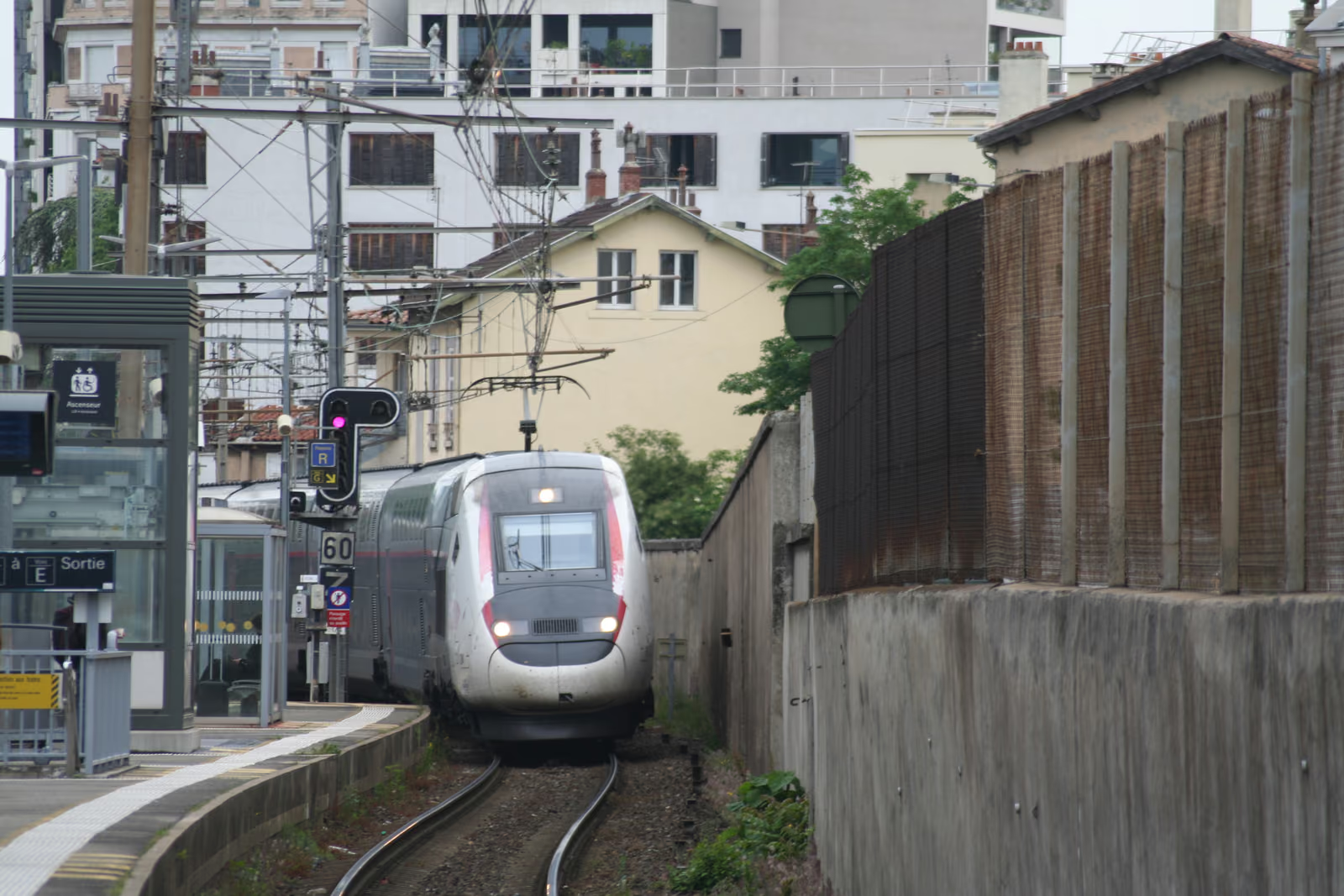
Importers and distributors, specialist wholesalers, retail buying groups, industrial prime contractors, marketplaces, public procurement and trade fairs are different routes. Industrial buyers expect a technical file and reliable delivery; food requires traceability and French labelling; consumer goods add returns, packaging and producer responsibility; public markets require a compliant electronic tender. Test territory, channel, targets and exit terms before granting national exclusivity.
Ten steps from product to clearance
Define the product; identify its eight-digit CN and, where needed, ten-digit TARIC code; determine origin and preference; complete EU compliance; organise EORI and French VAT roles; appoint the importer and customs representative; allocate cost and risk through the Incoterm; reconcile documents before dispatch; submit the electronic declaration; retain tax, delivery and after-sales records. Use binding tariff or origin information when classification is material and uncertain.
Core customs documents
The core file normally includes a commercial invoice, packing list, transport document, declaration data, EORI, VAT number, precise goods description and customs-value elements. Depending on the regime it may add A.TR, EUR.1/EUR-MED, origin declaration or certificate of origin. Product controls can require an EU declaration of conformity, technical file, tests, health or phytosanitary certificate, import licence, CITES, dual-use authorisation or dangerous-goods papers.
How the tariff is determined
There is no single French customs rate. Treatment depends on tariff classification, customs origin and customs value, with possible quotas, suspensions, preferences, anti-dumping or countervailing measures. Certain freight and insurance costs feed into customs value. Check the exact code, origin and date in Access2Markets or France’s RITA tariff before quoting a landed price.
Import VAT and cash flow
Customs duty and VAT are different. The import-VAT base generally combines customs value, duty and relevant delivery costs. French VAT taxpayers normally account for import VAT through the CA3 return when the correct French VAT identity and declaration data are used. Intra-EU B2B supplies, exports, warehousing and e-commerce each need their own evidence; a zero-tax invoice line alone never proves exemption.
Product compliance and French labelling
Customs release does not prove a product may legally be sold. CE marking applies only to covered legislation after the correct conformity assessment. The importer must check manufacturer/importer identity, traceability, safety instructions, French consumer information, packaging and extended producer-responsibility duties. Electronics, toys, machinery, cosmetics, medical devices, food and chemicals all follow distinct systems.
The truth about A.TR for Türkiye
The EU–Türkiye Customs Union covers industrial goods and processed agricultural products; primary agriculture and coal and steel use separate arrangements. Covered goods in free circulation may receive zero duty and quota treatment. A.TR demonstrates free-circulation status, not origin, and does not remove anti-dumping, surveillance, compliance, VAT or declaration obligations.
Logistics, Incoterms and payment
EXW, FCA, DAP and DDP allocate more than a delivery point: they affect customs formalities, transport risk and tax responsibility. With foreign-seller DDP, verify that French importer, VAT and representation arrangements genuinely work. Early transactions may justify a letter of credit, bank confirmation, credit insurance or staged payment. Add terminal, storage, inspection, brokerage, inland delivery and delay to freight.
Investment support in France
Foreign investors can use Business France and regional agencies for location, incorporation, recruitment and funding guidance. Eligible projects may access the research tax credit, SME innovation credit, France 2030 calls, Bpifrance finance, regional investment or employment aid, training support and green-industry instruments. Support is not automatic: purpose, company size, region, eligible cost and applying before a binding investment commitment can determine the outcome.
A 90-day market-entry plan
In the first 30 days map classification, compliance, pricing and competitors and segment at least 30 target buyers. In month two test samples, a French sales file, distributor conversations and landed cost. In month three write Incoterm, payment, quality acceptance, returns, exclusivity and dispute terms for a pilot order. Scale only after measuring customs, delivery and customer feedback from the first shipment.
Read next


